Blog

  • UN ISAR Honours 2025: Advancing Credible Sustainability Reporting Through Collaboration

    UN ISAR Honours 2025: Advancing Credible Sustainability Reporting Through Collaboration

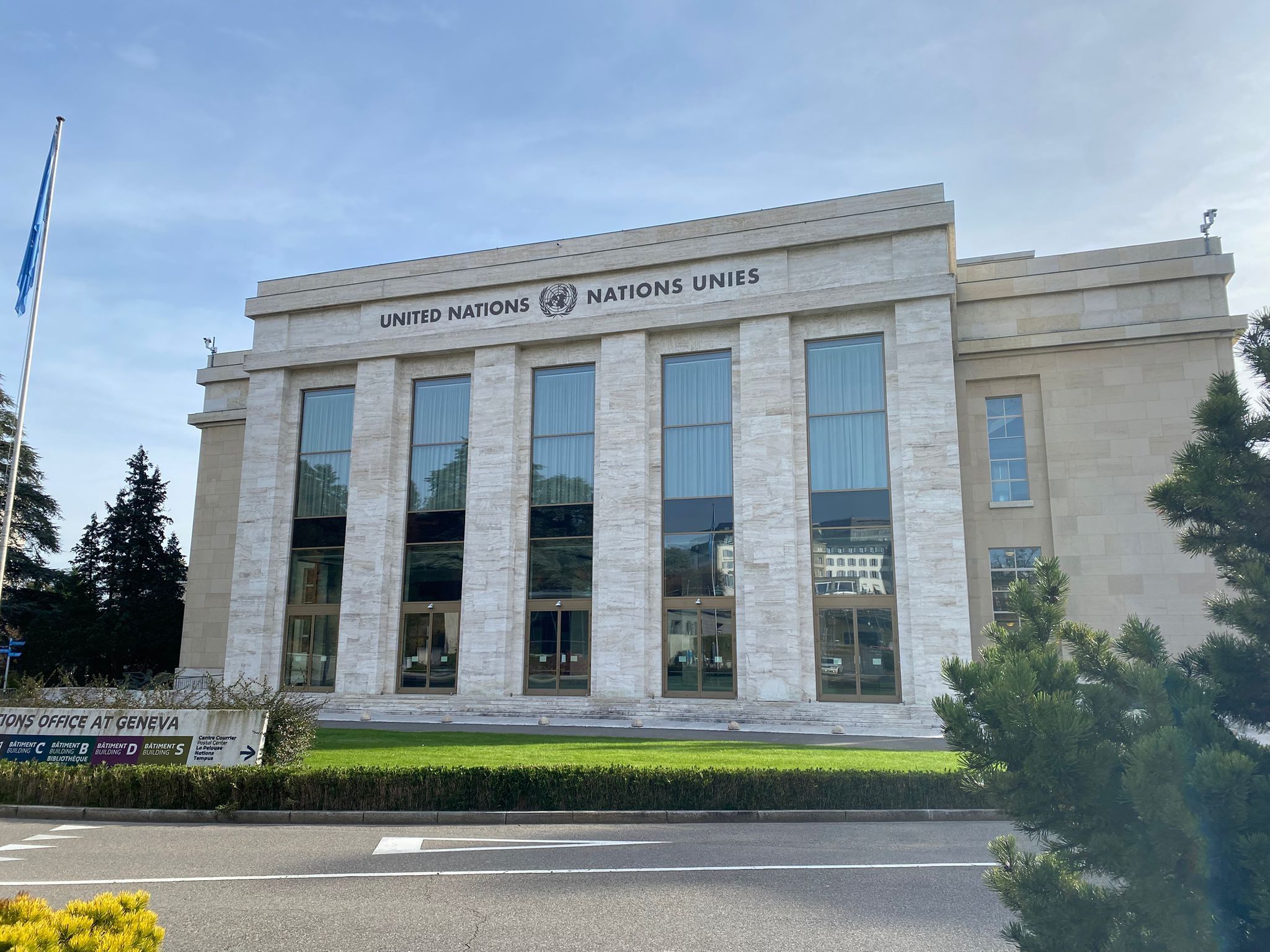
    The SALI team was proud to participate in the UNCTAD ISAR Conference in Geneva and to support the work of the African Regional Partnership for Sustainability and SDG Reporting (ARP).
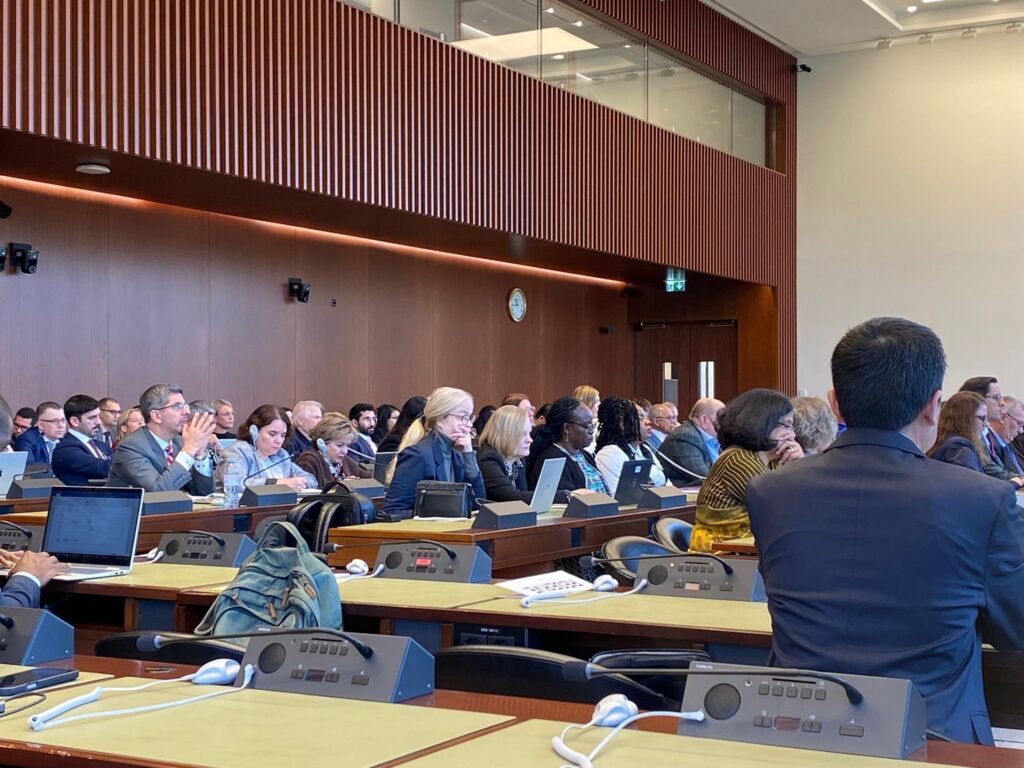
    The ARP continues to play a critical role in strengthening how countries across Africa approach integrated reporting. By aligning national efforts and building shared understanding, the partnership is helping institutions move toward sustainability practices that are credible, structured, and fit for their local realities.

    At the ISAR conference, the ARP meeting demonstrated what becomes possible when countries face the same direction. The progress is systematic. The work is deliberate. It is shaping a future where African sustainability and reporting frameworks are grounded in the continent’s priorities rather than external assumptions.

    Supporting Institutions That Build With Intention

    SALI remains committed to supporting this agenda and contributing to the systems that enable institutions to report with confidence.

    We are proud to be associated with Bangladesh Bank (The Central Bank of Bangladesh) and the Financial Reporting Council of Nigeria, both of whom were recognised at the ISAR 42 Honours Awards.

    Bangladesh Bank earned its place among the ISAR 42 Honours recipients through consistent effort and a clear, disciplined approach to sustainability oversight. The institution continues to push for higher standards that resonate beyond national borders. We appreciate the leadership and support of Suborna Barua, PhD, whose work strengthens cooperation and advances global conversations around quality reporting.
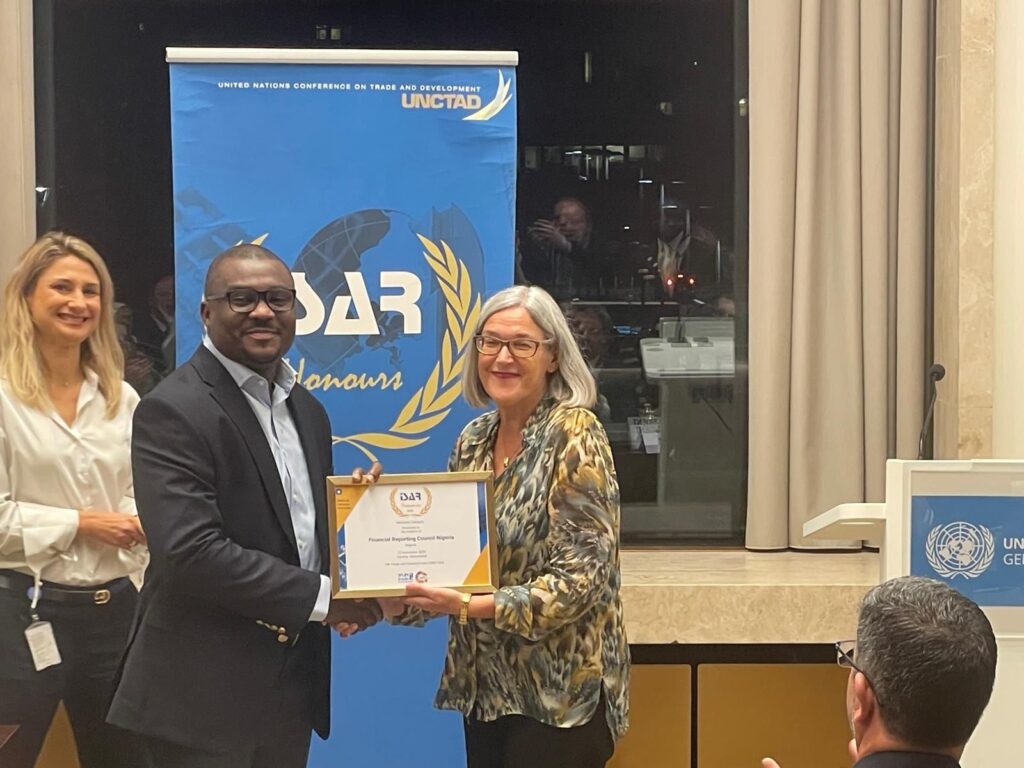
    We also celebrate the Financial Reporting Council of Nigeria for standing out on the international stage and winning the UNCTAD-ISAR ‘Leadership in Sustainability Reporting’ Honours. Baa’Șiro (Dr.) Rabiu Olowo and Dr Iheanyi Anyahara, PhD, FCA, FFAR, MNIM, CNA have built momentum that many institutions across the region are still working toward. Their commitment to structured sustainability reporting is raising expectations and strengthening trust in transparent systems. This leadership positions Nigeria firmly in conversations shaping the pace of sustainability reporting across the continent.

    Highlights From ISAR 42 in Geneva

    The 42nd session of the Intergovernmental Working Group of Experts on International Standards of Accounting and Reporting (ISAR) brought together global leaders, regulators, practitioners, and academics to advance the conversation on sustainability reporting and assurance.

    Key discussions focused on:

    • Harmonising sustainability reporting requirements and their practical implementation
    • Integrating biodiversity and human capital considerations into sustainability reporting
    • Strengthening collaboration between auditors, data scientists, and sustainability professionals

    These conversations reaffirmed a core belief we hold at SALI: sustainability data must be credible, comparable, and decision-ready if it is to drive real impact.

    Hearing from experts across regions reinforced the importance of coordinated action and shared standards in building trust through transparent reporting.

    Looking Ahead

    ISAR 42 highlighted a shared understanding: progress in sustainability reporting depends on collaboration, clarity, and systems that institutions can trust.

    At SALI, we remain focused on building the technology and partnerships that make this possible. The journey toward stronger sustainability assurance continues, and we are committed to supporting institutions that demonstrate that clear reporting can drive meaningful development.

    Our thanks to the organisers, UN Trade and Development (UNCTAD) and the INTOSAI Development Initiative (IDI), for delivering an impactful and forward-looking event.
  • PAFA Sustainability Week 2025 Highlighted Practical Sustainability Reporting and Implementation in Africa

    PAFA Sustainability Week 2025 Highlighted Practical Sustainability Reporting and Implementation in Africa

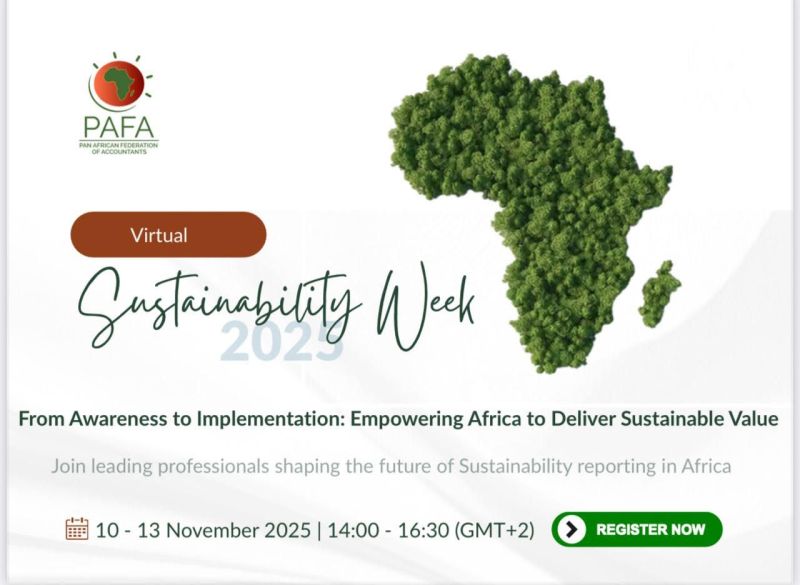
    SALI attended PAFA Sustainability Week 2025, a virtual event held from 10 to 13 November 2025. The Pan African Federation of Accountants (PAFA) organised this four-day sustainability summit through its PAFA Sustainability Centre of Excellence with the core theme: “From Awareness to Implementation: Empowering Africa to Deliver Sustainable Value.” This event focused on actionable strategies for sustainability reporting, integrated reporting frameworks and capacity building across Africa’s business and professional sectors.

    The programme tackled key topics shaping Africa’s sustainability agenda:

    Global Sustainability Standards and Africa’s Strategic Positioning
    The opening sessions examined how international sustainability reporting standards, such as the IFRS Sustainability Disclosure Standards, can be adapted to the African context. Delegates explored how alignment with global reporting frameworks boosts credibility and supports investors seeking transparent environmental, social and governance (ESG) data from African organisations.

    Policy, Regulation and System Alignment for Sustainable Value Creation
    Day two centred on policy coherence and regulatory frameworks that help governments and private sector entities implement sustainability reporting and accountability measures. Discussions highlighted the need for integrated systems that link reporting, public finance and long-term development goals.

    Implementation Strategies for SMEs and Capital Flows
    Small and medium enterprises (SMEs) often face challenges in adopting sustainability practices. Sessions addressed how sustainability reporting can unlock green capital, strengthen access to sustainable finance and improve public-sector engagement with private-sector sustainability initiatives.

    Assurance Practices and Skills for Future-Ready Reporting Professionals
    The final day focused on the role of assurance, quality and professional skills in driving reliable sustainability disclosure. Participants discussed how accountants, auditors and sustainability practitioners can deepen competence and adopt best practices in sustainability assurance to support transparent reporting ecosystems.

    Across all days, PAFA emphasised capacity building so that organisations and professionals in Africa can confidently meet sustainability reporting requirements and comply with emerging ESG disclosure standards. SALI’s team engaged with speakers and delegates, reinforcing our mission to strengthen sustainability reporting capabilities in emerging markets.

    PAFA Sustainability Week 2025 reaffirmed that Africa’s sustainability journey is shifting toward implementation, productivity and measurable impact. It drew sustainability leaders and accounting professionals committed to integrating ESG, reporting frameworks and ethical practices into business and governance across the continent.

    Follow SALI for in-depth coverage on sustainability reporting trends, best practice insights from PAFA events and resources that help organisations report sustainability performance with confidence.

  • Heathrow Business Summit 2025: Gateway to Growth and Sustainable Opportunity

    Heathrow Business Summit 2025: Gateway to Growth and Sustainable Opportunity

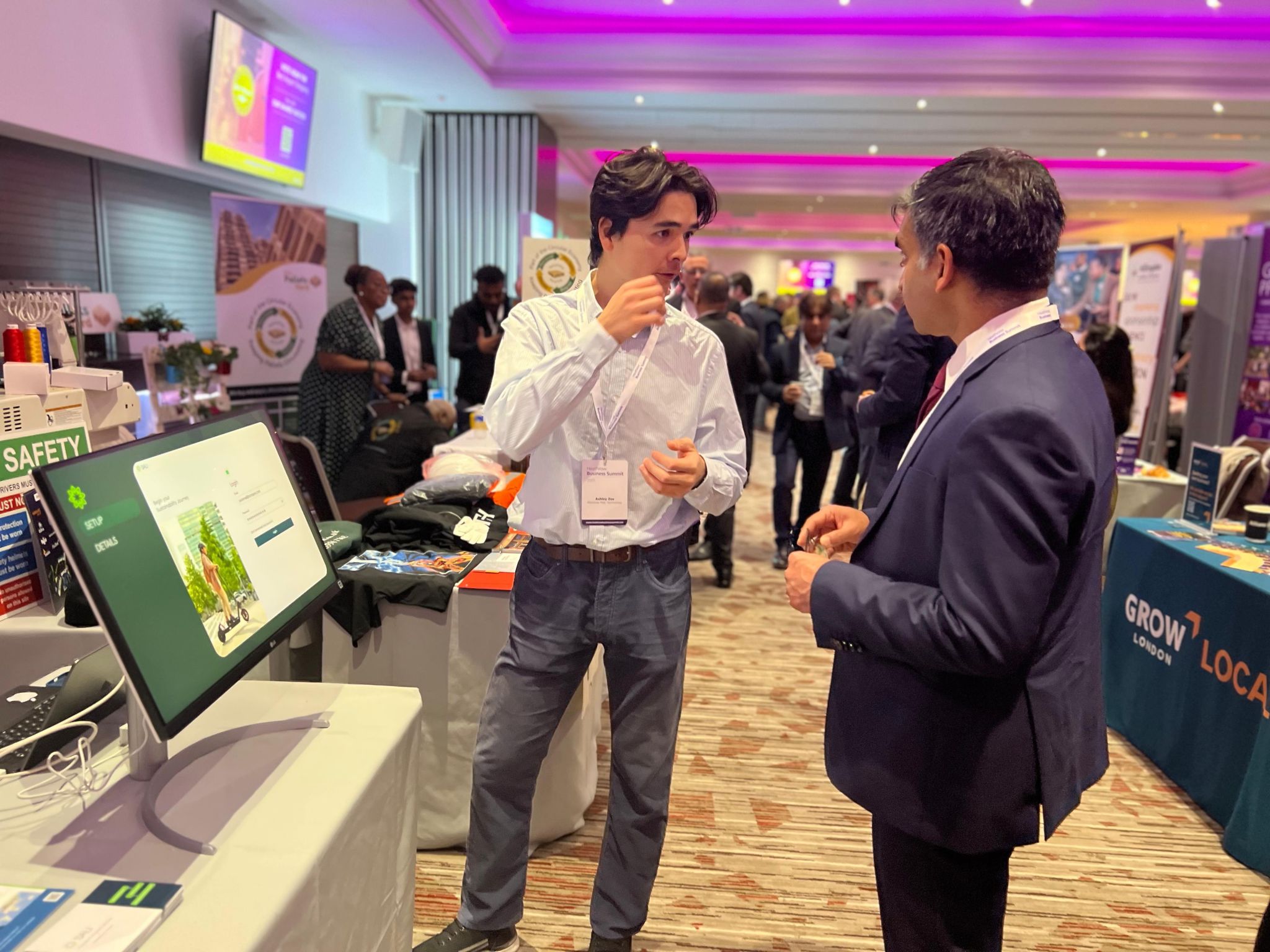
    We were live at the Heathrow Business Summit 2025, and the atmosphere at Allianz Stadium, Twickenham captured exactly what you’d expect when forward-thinking businesses come together around a shared purpose.

    Under this year’s theme, “Gateway to Growth,” the Summit brought together more than 700 companies and over 1,200 visitors, Small and Medium-sized Enterprises (SMEs), suppliers, partners, and strategic stakeholders to explore opportunities for collaboration, partnership, and sustainable business growth.

    This dynamic event is one of the UK’s flagship business gatherings, designed to connect SMEs with Heathrow’s extensive supply chain network, highlight procurement pathways, and open doors for long-term partnerships that support inclusive and responsible growth.

    At the heart of these conversations was a clear sense that sustainability isn’t an add-on it’s central to business resilience, innovation, and meaningful impact.

    Bringing Sustainability Intelligence to the Summit

    From the moment we arrived, the energy around responsible growth and data-led decision making was real and focused. SALI (Sustainability Assessment Reporting and Learning Intelligence) was proud to showcase our AI-powered Assessments, Gap Analysis tools, dMRV capabilities, and GHG Calculator with LCA tools built to help organisations understand where they stand, identify opportunities for improvement, and move toward measurable, responsible growth.

    The conversations at the Summit were grounded in a shared recognition that data intelligence, accountability, and innovation are not just buzzwords, they are essential enablers of sustainable business growth. Leaders, innovators, and decision-makers engaged deeply around how sustainability reporting and performance intelligence shape strategy, investment, procurement, and long-term resilience.

    If you were at the Summit, we hope you had a chance to stop by the SALI stand and see how our platform turns sustainability goals into measurable outcomes. If not, we’re always open to continuing the conversation.

    Connecting Leaders, Suppliers, and Innovators

    The Heathrow Business Summit provided a vibrant space for engagement. We connected with business leaders, suppliers, and strategic partners who are thinking critically about sustainability’s role in their organisations’ futures. It was inspiring to hear how many attendees are eager to turn intention into impact moving beyond aspiration to real, measurable action.

    Across the day, discussions ranged from broader economic growth to specific pathways for organisations to align with Heathrow’s evolving procurement priorities and sustainability commitments. The Summit also emphasised the importance of resilience, collaboration, and shared opportunity, themes that resonate deeply with SALI’s mission.

    Summit Highlights and Takeaways

    • Gateway to Growth: The Summit’s core message centred on unlocking opportunities for SMEs and suppliers to play a meaningful role in Heathrow’s supply chain and future development.
    • Practical Workshops and Connections: Attendees gained actionable insights into procurement pathways, contracting opportunities, and working directly with Tier 1 suppliers.
    • Networking and Collaboration: The event offered rich networking moments, connecting organisations across sectors and fostering partnerships that can advance sustainability and commercial impact.

    We extend our gratitude to the organisers and everyone who visited our stand at the Summit. Thank you for engaging with us, asking thoughtful questions, and exploring how sustainability intelligence can truly accelerate business growth.

    Events like the Heathrow Business Summit remind us that the future of sustainable business is not built alone, it’s built together, through shared knowledge, mutual support, and a commitment to progress.

    Sustainability Intelligence in Action

    At the SALI stand, we showcased how Sustainability Assessment Reporting and Learning Intelligence helps organisations simplify sustainability and turn data into measurable impact.

    Our AI powered platform demonstrated how businesses can understand where they stand today, identify gaps, and take practical steps toward improvement. Through tools such as our Gap Analysis framework, AI powered Assessments, dMRV Tool, and GHG Calculator with Life Cycle Assessment capabilities, visitors were able to see how sustainability reporting can become clearer, more structured, and more decision ready.

    The conversations were practical and focused. Business leaders shared real challenges around reporting, accountability, and procurement alignment. It was encouraging to see strong interest in using sustainability intelligence not just for compliance, but as a driver of growth and resilience.

    Meaningful Conversations With the Business Community

    Over the course of the Summit, we connected with business leaders, partners, and innovators who are actively looking for ways to embed sustainability into their operations.

    Many organisations are ready to move beyond intention. They want tools that help them track progress, demonstrate impact, and align with globally relevant sustainability standards. The discussions at the SALI stand reflected this shift toward action and measurable outcomes.

    The Summit provided a valuable space for open dialogue, learning, and connection. It reinforced the role that data, transparency, and accountability play in shaping the next phase of responsible business.

    Thank You for Engaging With Us

    We would like to thank everyone who visited the SALI stand and took the time to engage with our team. Your questions, insights, and openness to exploring new approaches to sustainability made the experience meaningful.

    We also extend our thanks to the Heathrow Business Summit organisers for bringing together such a strong and engaged business community. The event continues to play an important role in connecting organisations and supporting growth across the supply chain.

    The Heathrow Business Summit remains a vital platform for businesses seeking to grow with purpose. At SALI, we remain committed to supporting organisations with the tools and intelligence they need to turn sustainability goals into practical, measurable results.

    We look forward to continuing these conversations and working with organisations that see sustainability as a foundation for long-term growth.

  • SALI at the IFRS Sustainability Symposium 2025 in London

    SALI at the IFRS Sustainability Symposium 2025 in London

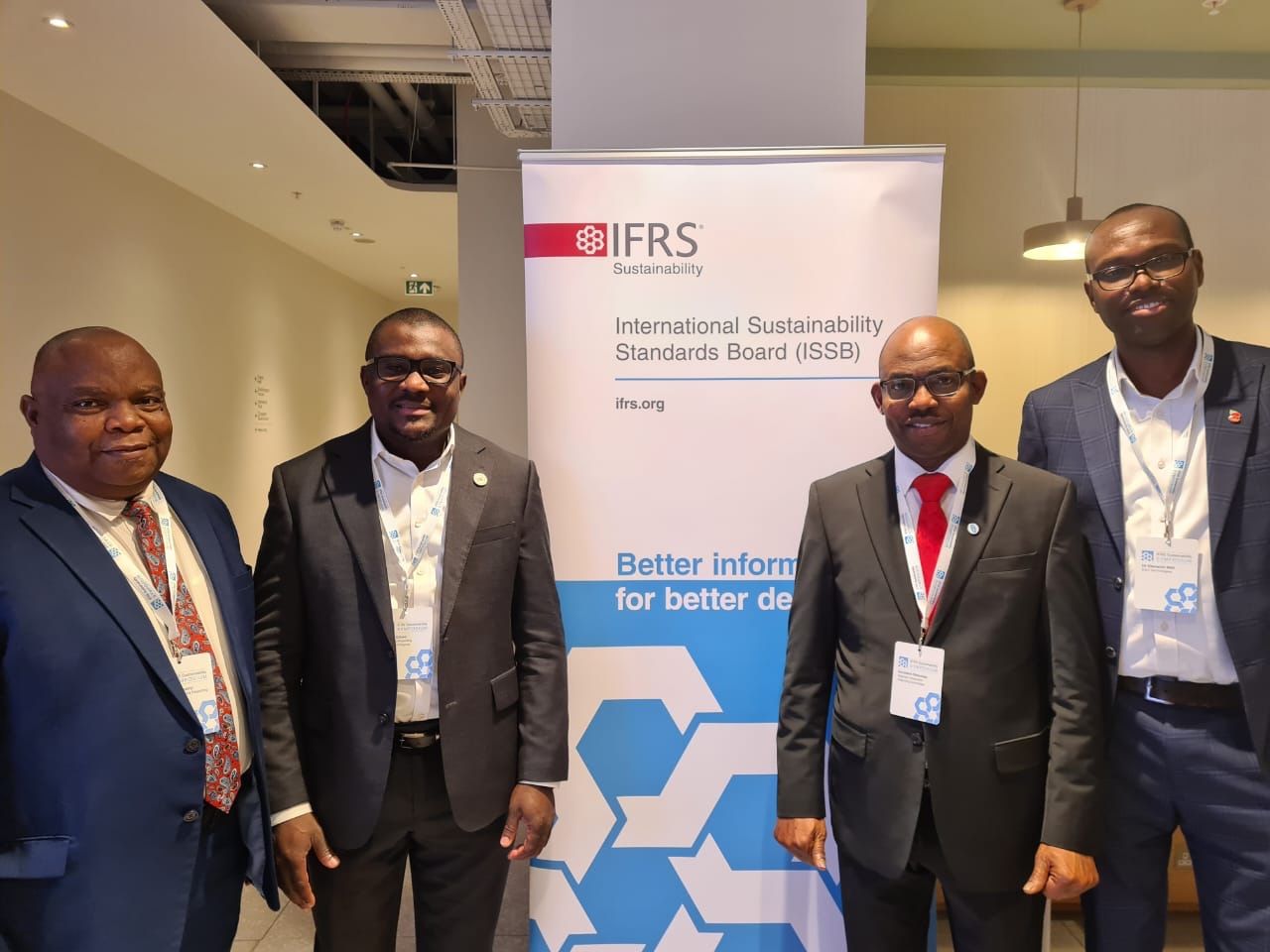
    On Thursday 30 October 2025, the SALI team joined sustainability and financial reporting leaders from around the world at the IFRS Sustainability Symposium 2025 in London. The event brought together companies, investors, regulators, standard-setters, and advisers for focused conversations on advancing sustainability disclosure standards and practical adoption.

    The Symposium, hosted by the IFRS Foundation, focused on pathways to adoption of sustainability-related financial disclosure standards. It provided an opportunity for organisations to share real-world experiences, engage with new guidance, and explore implementation of the International Sustainability Standards Board (ISSB) Standards. These standards form a global baseline for sustainability reporting, helping companies provide clear, comparable information for investors and stakeholders.

    Strengthening Collaboration and Shared Purpose

    Our CEO and Founder, Dr Eberechi Weli, welcomed distinguished leaders from Nigeria’s sustainability and financial regulatory space. Among those in attendance were Baa’Șiro (Dr.) Rabiu Olowo, CEO of the Financial Reporting Council of Nigeria, Dr Innocent Okwuosa, 59th President of the Institute of Chartered Accountants of Nigeria and Adjunct Associate Professor at Pan-Atlantic University, and Dr Iheanyi Anyahara, former Director at the Financial Reporting Council of Nigeria and CEO of RCRA.

    They joined global delegates including Nicolai Lundy, Chief of Engagement at the IFRS Foundation, and Jonathan Bravo, Director of Regulatory Affairs at the IFRS Foundation, alongside other thought leaders. Their participation highlighted Nigeria’s growing role in global sustainability reporting dialogues and reinforced the importance of regional perspectives in international forums.

    A Forum for Practical Progress

    The IFRS Sustainability Symposium has become a central space for discussion about how sustainability reporting standards are implemented in practice. It is not just about what standards exist but how organisations, regulators, and investors can work with them effectively. Panel sessions and breakout conversations focused on real challenges and opportunities experienced by institutions navigating disclosure requirements.

    Participants heard insights into the practical aspects of applying the ISSB Standards, connecting sustainability disclosures with broader financial reporting, and understanding how clear, comparable information supports better decision-making. These conversations reinforced a truth that SALI champions: sustainability reporting must be credible, useful, and aligned with real organisational needs if it is to drive meaningful progress.

    Positioning African Institutions at the Forefront

    At SALI, we remain committed to strengthening collaboration with the IFRS Foundation and to positioning African regulators and institutions as active contributors to global sustainability reporting practices.

    The participation of leaders from Nigeria and across Africa at the Symposium demonstrated how much work is already underway and how much potential exists when African voices are part of international conversations on transparency and accountability. Their engagement helps ensure that global standards reflect diverse perspectives and that they support meaningful reporting outcomes across markets.

    Engaging with fellow regulators, standard-setters, and global experts underscored the importance of alignment, transparency, and credibility when organisations prepare sustainability information that investors and stakeholders can trust.

    The IFRS Sustainability Symposium is more than an event. It is a platform for sharing experience, shaping practice, and building relationships that help organisations adopt sustainability reporting in ways that are practical and impactful.

    For SALI, being present in London alongside global peers allows us to bring back insights that strengthen the work we do with partners and clients. It gives us confidence that the tools we build, from AI-powered assessments to reporting frameworks, are aligned with where global standards are heading and how organisations need to report with integrity and clarity.

    As sustainability disclosure continues to evolve into a global norm, events like the IFRS Sustainability Symposium play a key role in advancing understanding and collaboration. At SALI, we remain focused on turning those insights into intelligence, helping organisations transform data into decisions and report with confidence.

    We thank all the leaders we met and the IFRS Foundation for convening a meaningful dialogue on the future of sustainability reporting. We look forward to continuing to support institutions that are shaping a transparent, accountable, and sustainable reporting future.

  • Environmental Services & Solutions Expo 2025: Where Sustainability Ideas Take Shape

    Environmental Services & Solutions Expo 2025: Where Sustainability Ideas Take Shape

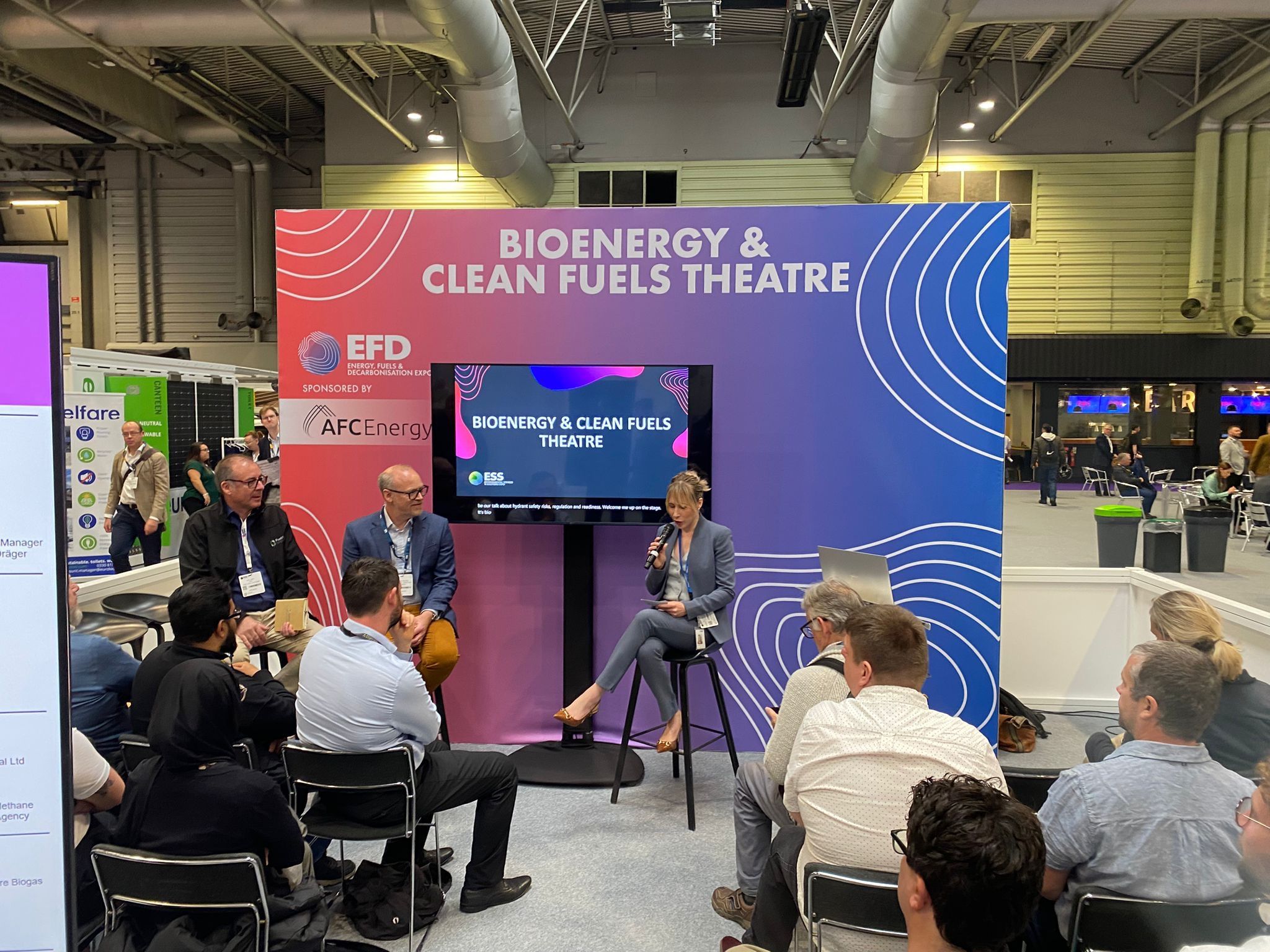
    Sustainability is a team sport, and Day One at the Environmental Services & Solutions Expo 2025 showed exactly why that is true. The event took place on 17 and 18 September 2025 at the NEC in Birmingham, bringing together thousands of professionals, innovators, policymakers, and leaders from across the environmental sector. The Expo creates a space where organisations can share insights, learn from each other, and explore solutions that help drive environmental progress on a practical level.

    ESS Expo is recognised as the UK’s largest environmental event. It unites professionals from a wide range of sectors including waste management, decarbonisation, renewable energy, water management, land remediation, air and emissions control, and the circular economy. For organisations looking to deepen their sustainability work, this is a key forum for inspiration, connection and learning.

    Exploring Breakthrough Ideas and Practical Solutions

    At the Expo, we joined sessions that reflected the broad scope of sustainability work happening around the world. Conversations ranged from bioenergy and clean fuels to carbon management and systems‑level approaches to net zero. These sessions brought together experts who are tackling climate challenges with both creativity and rigour.

    Leaders such as Mike Reader, Member of Parliament for Northampton South, Bogi Højgaard from The Carbon Trust, Maria del Mar Rojas of the Science Based Targets initiative, Liz Parkes of the Environment Agency, and Charlotte Rule of the Environmental Services Association shared insights that grounded the discussion in real‑world opportunities and complexities. The focus was not only on innovation but on how to implement change at scale in ways that make sense for diverse organisations.

    The presence and contribution of Groundsure as a data partner reminded us why environmental data and intelligence remain at the heart of any credible sustainability effort. Having reliable information is essential for organisations to assess risk, make informed decisions and build strategies that lead to measurable outcomes.

    Why the Expo Matters for Sustainability Collaboration

    The Environmental Services & Solutions Expo is uniquely positioned as a meeting place for stakeholders across the environmental ecosystem. It brings together innovators, government representatives, companies, consultants, technology providers, and civil society around shared goals. This collective platform highlights sustainability not as a single agenda item but as a multi‑layered effort that relies on many minds and many hands.

    The event’s programming often reflects this diversity, with hundreds of expert speakers and presentations covering topics that matter across sectors. Whether the focus is on reducing carbon emissions, advancing circular economy models, improving water quality management, or enhancing biodiversity, attendees can explore what progress means in each of these spaces.

    For SALI, being in the room means being part of conversations that matter for how organisations interpret and act on their sustainability goals. We believe that collaboration across sectors and functions leads to stronger systems, clearer reporting and more practical action. This event reminded us how important it is to listen, learn, and share knowledge with others who are bringing sustainability to life in their own fields.

    Connecting People, Ideas and Technology

    At ESS Expo 2025, we reaffirmed our commitment to helping organisations make sustainability reporting and compliance easier. We know that meaningful Environmental, Social and Governance work only works when all the stakeholders involved have access to the right tools, the right information and the right network of peers.

    Our team engaged with professionals who are pushing the boundaries of what’s possible. Those conversations reinforced something we believe deeply: sustainability is not a solo pursuit. It happens when organisations work together, share insights, and leverage technology in ways that support transparent, credible outcomes.

    The Expo experience reminded us that sustainability is as much about connection as it is about strategy. It is about bringing people into the room with curiosity, openness and a shared desire to do better for the planet and for future generations.

    Thank you to everyone we met at ESS Expo 2025. Your commitment and energy inspire us as we continue to build tools that help organisations report with confidence and create impact that can be seen and measured.

  • SALI Technologies Joins UN Global Compact, Strengthening Commitment to Ethical Innovation and Sustainability

    SALI Technologies Joins UN Global Compact, Strengthening Commitment to Ethical Innovation and Sustainability

    Today, SALI is pleased to announce that we have joined the United Nations Global Compact initiative : a voluntary initiative for the development, implementation, and disclosure of responsible business practices.

    With this announcement, SALI is proud to join the network of global companies committed to taking responsible business action to create the world we all want. The UN Global Compact is a call to companies everywhere to align their operations and strategies with ten universally accepted principles in the areas of human rights, labour, environment, and anti-corruption, and to take action in support of Sustainable Development Goals (SDGs).

    Launched in 2000, the UN Global Compact is the largest corporate sustainability initiative in the world, with more than 20,000 companies based in over 160 countries, and more than 60 Global Compact Networks.

    “In line with our commitment to these principles, SALI Technologies is proud to join the UN Global Compact as a demonstration of our dedication to responsible business, ethical innovation, and data-driven sustainability leadership. We pledge to actively protect our environment and lead with integrity across industries. Our mission remains clear: to deliver the trust, traceability, and transparency that move organisations from insights to assurance,” noted Dr Eberechi Weli, Chief Executive Officer, SALI Technologies.

    As a participant of the initiative, we encourage you to visit our profile on the UN Global Compact website and learn more about our latest work in sustainability benchmarking, reporting, and compliance.

  • PowerJacks Onboards to SALI Platform to Accelerate Sustainability Compliance 

    PowerJacks Onboards to SALI Platform to Accelerate Sustainability Compliance 

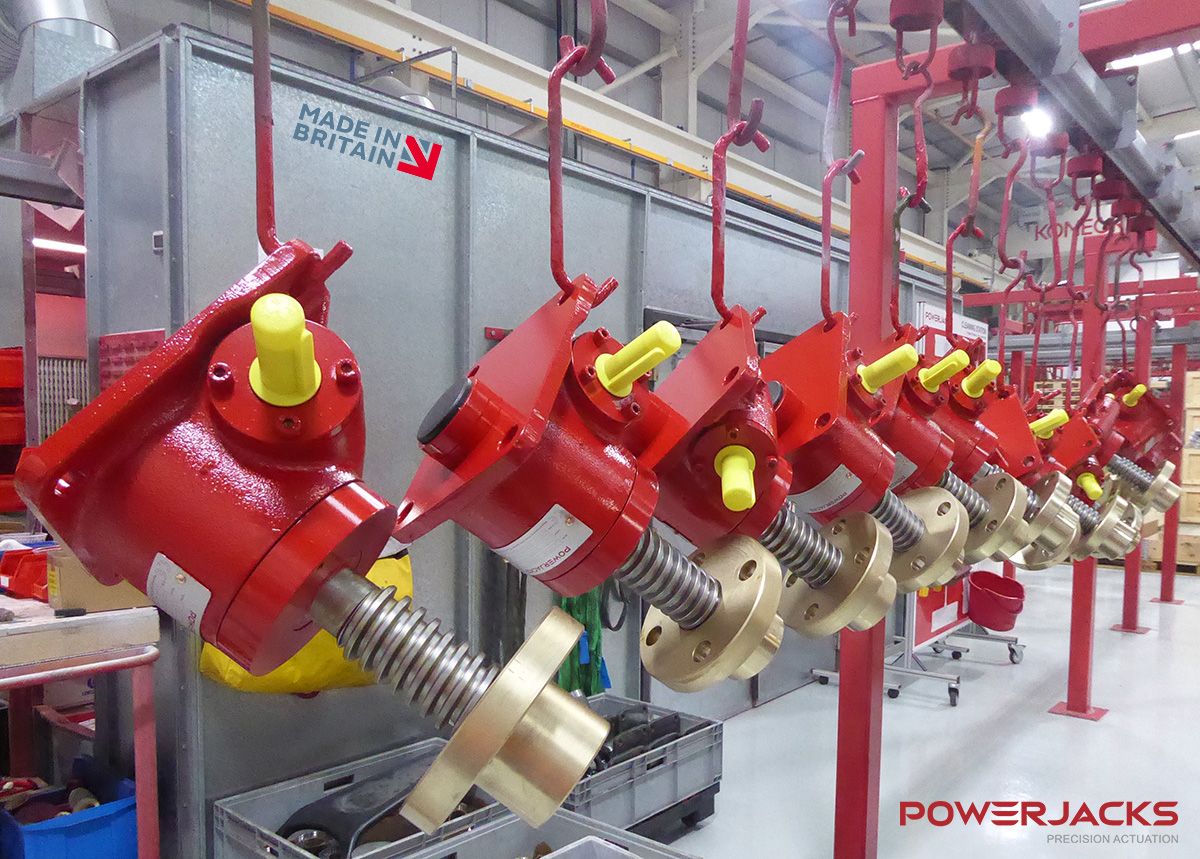
    ABERDEEN, SCOTLAND — British engineering firm PowerJacks has joined forces with sustainability compliance platform SALI, in a major step toward digitising its environmental reporting and aligning with international sustainability standards. 

    The move brings PowerJacks, a global provider of electro-mechanical actuation and lifting solutions onto the AI-powered SALI platform to streamline sustainability data management, reduce compliance risk and reinforce environmental accountability. With the partnership now in place, PowerJacks has begun its formal onboarding with SALI — integrating systems, training staff, and deploying customised sustainability modules to ensure a seamless transition. 

    Founded in Aberdeenshire and operating in more than 80 countries, PowerJacks has long been recognised for its precision-engineered products used in sectors ranging from energy to defence. Now, the company is expanding its focus beyond mechanical innovation to include measurable sustainability performance. 

    The SALI platform, known for its AI-driven compliance assessments and evidence-backed sustainability reporting, enables organisations to meet rapidly evolving regulations such as the Corporate Sustainability Reporting Directive (CSRD), GRI, ISSB, and UN SDGs. With tailored industry modules, SALI validates uploaded documents, scores their quality and generates improvement insights in real time. 

    Strategic Shift to Digital Assurance 

    PowerJacks’ integration with SALI allows for automated tracking of key sustainability metrics, including energy usage, waste management, air emissions, and circularity. The company will also benefit from AI-generated scenario modelling and lifecycle assessments, ensuring that operational efficiency is matched by environmental foresight. 

    The partnership is especially notable given PowerJacks’ deep industrial footprint and long-standing reputation for engineering reliability. With over 60 skilled employees and five core product categories, from screw jacks to jacking systems, the company’s pivot towards ESG alignment signals a broader industry shift. 

    Part of a Growing Trend 

    PowerJacks joins a growing list of industrial and manufacturing companies choosing SALI to help them bridge the gap between technical operations and sustainability expectations. 

    SALI’s framework is designed to adapt across business sizes and sectors, beginning with local codes of practice and scaling up to international reporting frameworks. The platform provides full audit trails, document-backed evidence and sector-specific benchmarks, helping organisations demonstrate true compliance rather than self-declared claims. 

    “As pressure mounts from regulators, investors, and stakeholders alike, this level of transparent and verifiable reporting has become essential, instead of optional. I applaud PowerJacks’ commitment to quality, and this is reflected in how they are managing their environmental impact,” said SALI’s Chief Executive Officer, Dr. Eberechi Weli. 

    Building the Future with Evidence 

    PowerJacks’ decision to partner with SALI reflects a growing corporate awareness that sustainability is a measurable standard of business performance. 

    The move is expected to enhance stakeholder confidence, reduce operational overhead tied to manual reporting, and position PowerJacks as a frontrunner in sustainable industrial practices. 

  • SALI at Innovation Zero 2025: From Circularity to Global Sustainability Reporting

    SALI at Innovation Zero 2025: From Circularity to Global Sustainability Reporting

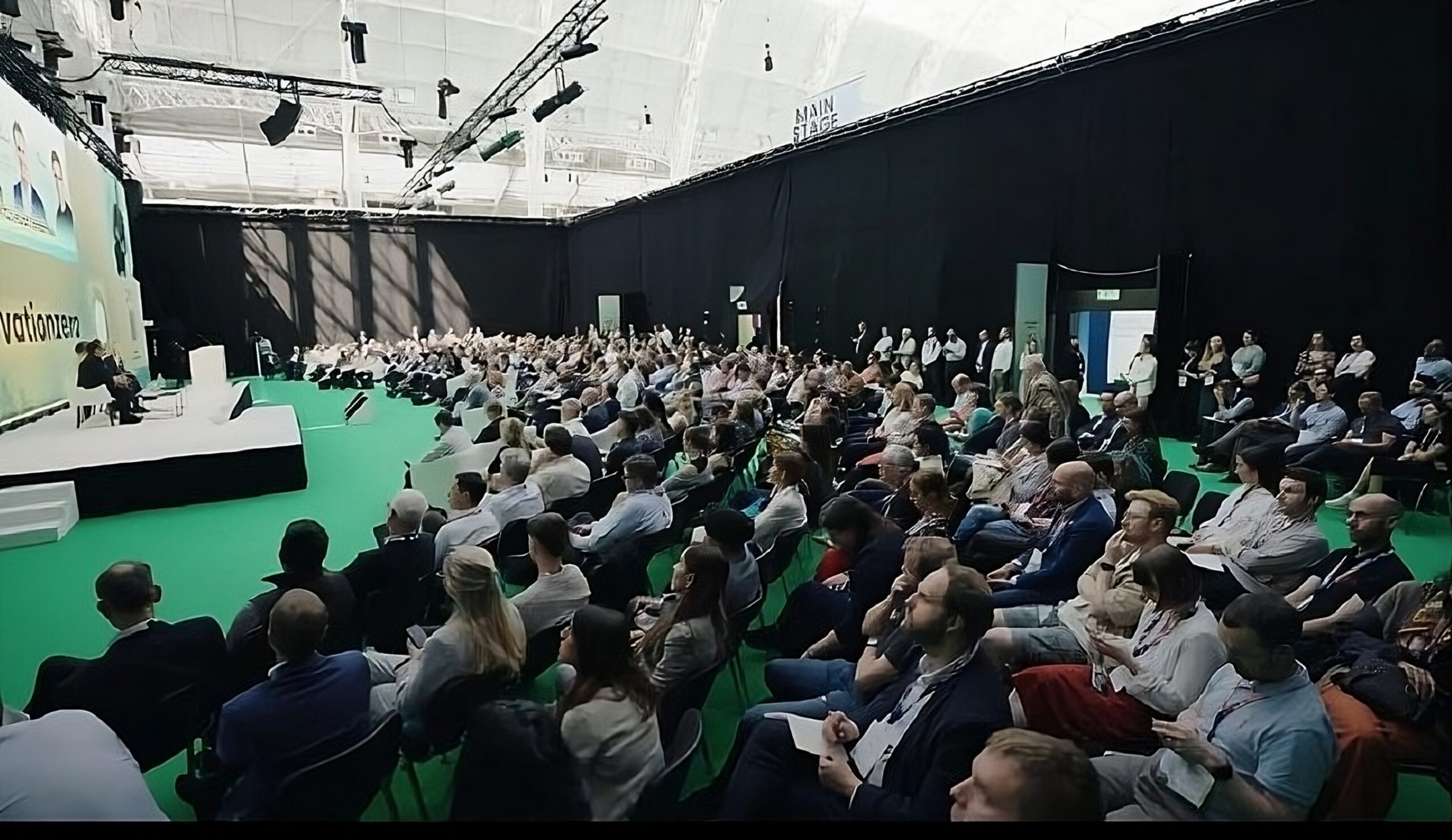
    Last week, the SALI-AI Technologies team joined sustainability leaders, innovators, and policymakers at Innovation Zero 2025, the UK’s leading climate and clean tech event. Over two days, the conference brought together thousands of attendees to explore actionable solutions to the climate crisis — and SALI was proud to be part of that conversation with two high-impact speaking sessions on Tuesday.


    Session One — Morning Spotlight: Circularity as a Competitive Advantage

    In the morning session, Making Circularity a Business Reality: Data-Driven Decisions for Long-Term Benefits, Dr. Eberechi Weli, CEO of SALI-AI Technologies, was joined by Amy Dickinson, ESG Director for Europe and Africa at Egis.

    The discussion went beyond theory, showing how SALI’s AI-powered platform is already enabling major transport and infrastructure projects to embrace circularity in measurable, commercially viable ways. By leveraging real-time data insights, organisations can optimise material use, strengthen supply chain partnerships, and secure financing that rewards sustainable practices.

    “The business case for circularity is no longer a future aspiration — it’s here, measurable, and profitable,” noted one attendee after the session.

    From infrastructure to healthcare, the message was clear: circularity is not just an environmental necessity — it’s a growth strategy.


    Session Two — Afternoon Deep Dive: Raising the Bar for Sustainability Reporting

    In the afternoon, Dr. Weli took the stage again, this time alongside Elena Botvina, Sustainable Finance lead at the United Nations Conference on Trade and Development (UNCTAD), for the session Criteria for Quality Reporting and Integrating Sustainability into Business Reporting & Practices.

    This conversation addressed one of the most pressing challenges in sustainability today — how to ensure reporting is consistent, transparent, and impactful. Drawing on UNCTAD’s policy leadership and SALI’s technology expertise, the session explored how global reporting standards, like those underpinning SDG Target 12.6, can be translated into practical tools for businesses of all sizes.

    A highlight of the discussion was the introduction of a centralized sustainability data platform in development, designed to make corporate disclosures more accessible, comparable, and actionable.

    As one delegate put it on LinkedIn after the event: “The energy at Innovation Zero this year was different. We’re past awareness — this is the era of implementation.”


    Key Takeaways from SALI’s Innovation Zero 2025 Experience

    1. Action is the new priority — the sustainability conversation has shifted from why to how.
    2. Data is the enabler — from circularity to ESG reporting, technology is the key to scaling impact.
    3. Collaboration drives results — partnerships between the private sector, policy bodies, and technology providers are essential for accelerating change.
    4. Reporting is evolving — global alignment and centralized platforms will define the next phase of sustainability governance.

    A Collective Thank You

    The SALI team was represented by Dr. Eberechi Weli, accompanied on stage by Amy Dickinson of Egis and Elena Botvina of UNCTAD. We’re grateful to everyone who attended our sessions, engaged in Q&A, and shared ideas with us during and after the event.

    Thank you for being part of the movement to integrate sustainability into the core of business operations. We look forward to building on the momentum from Innovation Zero — and continuing to work together to make sustainable impact scalable, measurable, and lasting.


    Follow SALI on LinkedIn for updates on our projects, partnerships, and insights.


  • SALI at Innovation Zero: Setting the Standard for High-Quality Sustainability Reporting

    SALI at Innovation Zero: Setting the Standard for High-Quality Sustainability Reporting

    Tomorrow, SALI-AI Technologies takes the stage twice at Innovation Zero, joining a global lineup of leaders committed to building a sustainable future through practical, data-powered solutions.

    From the materials that fuel our infrastructure to the disclosures that define accountability, the transition to a sustainable economy demands better systems, smarter tools, and credible leadership. At Innovation Zero, the UK’s leading platform for sustainability innovation, SALI is proud to contribute to that transformation — twice in one day.


    Session One: 10:45AM

    Title: Making Circularity a Business Reality: Data-Driven Decisions for Long-Term Benefits
    Speakers:

    • Amy Dickinson – ESG Director, Europe & Africa, Egis
    • Dr. Eberechi Weli – CEO, SALI Technologies

    In this session, we’ll explore how SALI is working with infrastructure giant Egis to integrate AI-powered sustainability tools into major transport and healthcare projects. The goal? Turn circularity into real, measurable business value.

    This isn’t theory — it’s about leveraging live project data to optimize materials, improve resource efficiency, and future-proof infrastructure delivery models. If you’re looking to transform sustainability ambitions into operational results, this session will show how SALI helps make that possible.


    Session Two: 3:45PM

    Title: Criteria for Quality Reporting and Integrating Sustainability into Business Reporting & Practices
    Speakers:

    • Elena Botvina – Sustainable Finance, United Nations Conference on Trade and Development (UNCTAD)
    • Dr. Eberechi Weli – CEO, SALI Technologies

    Later in the afternoon, SALI will join forces with UNCTAD to explore how global policy guidance is being translated into real tools that companies can use today. This session focuses on high-quality sustainability disclosures — what they look like, why they matter, and how SALI is supporting companies to align with SDG Indicator 12.6.1 through innovation and data integrity.

    We’ll also reveal insights into a centralized reporting platform currently in development — an ecosystem designed to help businesses streamline reporting, collaborate across sectors, and deliver disclosures that stand up to global scrutiny.


    Why These Sessions Matter

    These aren’t panel discussions for the sake of awareness. They are working sessions that reflect SALI’s core belief: sustainability must be integrated, measurable, and actionable.

    Whether helping engineering firms rethink circular resource use or helping companies strengthen their ESG disclosures, SALI is doing the critical systems work that bridges intention with implementation.

    If you’re attending Innovation Zero, join us to discover how SALI is shaping the new frontier of sustainability — not with trends, but with tools.


    Follow the conversation live on LinkedIn and Twitter via #InnovationZero2025 and #SALIimpact.

    For press or partnership inquiries, contact: info@sali-ai.com

  • Retail and Consumer Goods: Balancing Profitability with ESG Commitments in the UK and Europe

    Retail and Consumer Goods: Balancing Profitability with ESG Commitments in the UK and Europe

    In 2025, the retail and consumer goods sectors in the UK and Europe are navigating a pivotal crossroads. While profitability remains a top priority, Environmental, Social, and Governance (ESG) commitments are increasingly influencing business strategies. Consumers, investors, and regulators are placing heightened emphasis on sustainability, ethical practices, and transparent governance.​


    The ESG Imperative: Consumer Expectations and Regulatory Pressures

    Consumer demand for ethically produced and environmentally friendly products continues to rise. Research indicates that 46% of UK Millennials are willing to pay more for sustainably produced goods, and 47% prefer products with eco-friendly packaging. Simultaneously, the European Union is advancing regulations such as the Corporate Sustainability Reporting Directive and the EU Taxonomy Regulation, which mandate comprehensive ESG disclosures.


    Profitability Challenges Amid ESG Integration

    Retailers are encountering challenges in aligning ESG initiatives with profitability. For instance, Sainsbury’s anticipates flat profits due to intensified competition and rising operational costs, despite investing £1 billion over four years to support customers. Similarly, B&M European Value Retail’s UK sales declined, though strong performance in France and new store openings provided some offset.

    Moreover, companies are facing increased costs associated with compliance to ESG regulations. A report by DLA Piper highlights that only 13% of companies have completed the necessary sustainability assessments, indicating a significant gap in preparedness.


    Strategic Approaches to Harmonize Profitability and ESG Goals

    To effectively balance profitability with ESG commitments, retailers can adopt the following strategies:

    • Sustainable Supply Chains: Engage with suppliers to ensure ethical sourcing and reduce environmental impact. This includes sharing sustainability data and forming exclusive agreements with sustainable suppliers.
    • Circular Economy Initiatives: Implement programs that promote product reuse and recycling. For example, fashion brands are launching resale platforms to encourage circular consumption.
    • Transparency and Reporting: Enhance ESG disclosures to build consumer and investor trust. Regular and clear reporting on ESG metrics can differentiate brands in a competitive market.
    • Consumer Engagement: Educate and involve consumers in sustainability efforts. Brands that actively engage with their customers on ESG matters tend to foster loyalty and drive sales .​

    Conclusion

    The convergence of profitability and ESG commitments presents both challenges and opportunities for the retail and consumer goods sectors in the UK and Europe. By strategically integrating sustainability into their operations and aligning with consumer values, companies can not only enhance their profitability but also contribute positively to societal and environmental well-being.​